 By ETOA COMMUNICATIONS; SOURCE ENA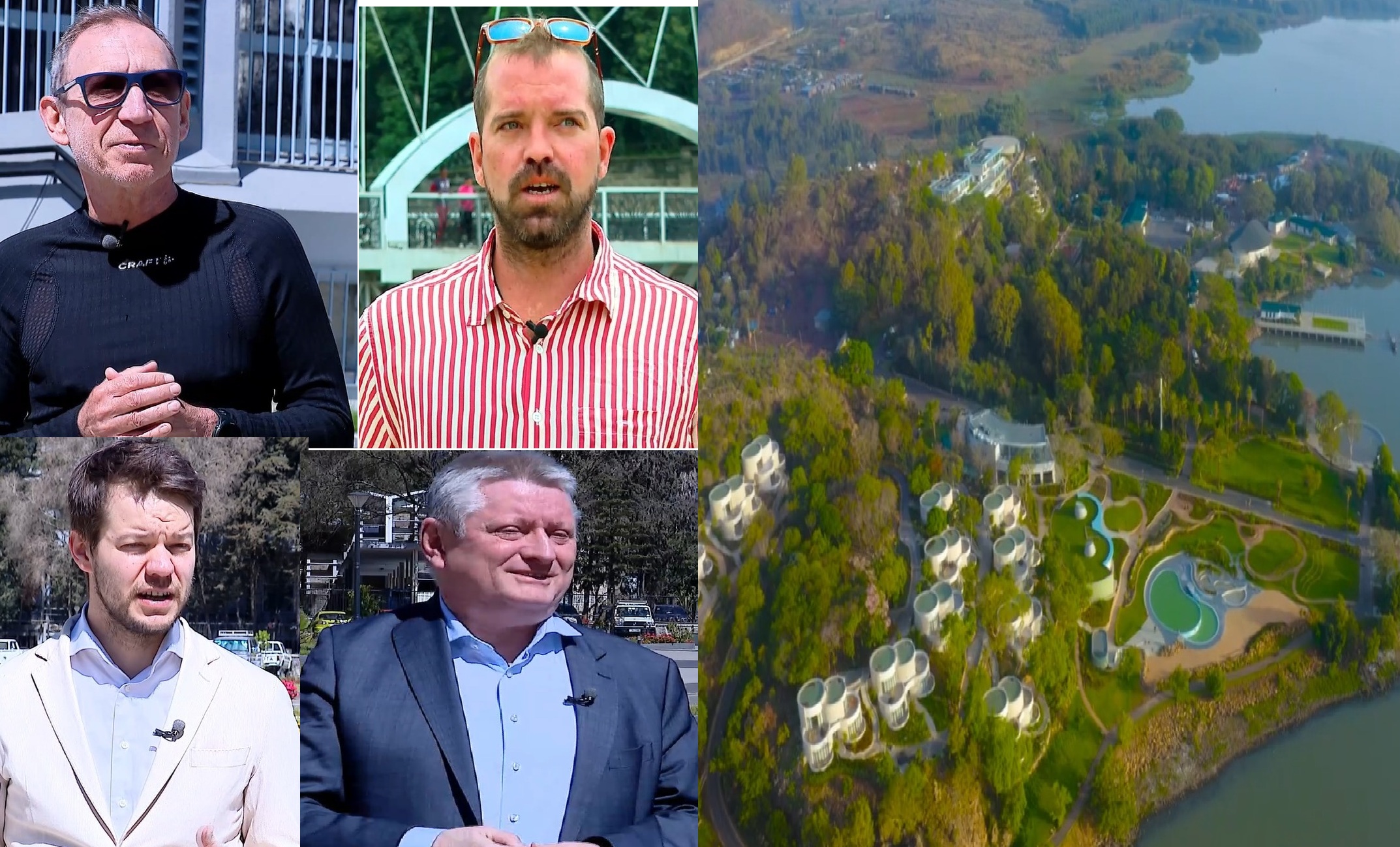
Ethiopia's tourism sector has gained significant momentum over the past several years, driven by sustained government investment and a strategic push to position the country as a premier global destination. Over the last six years, the government has expanded tourist destinations nationwide, including within Addis Ababa, under initiatives such as "Dine for Nation," led by Prime Minister Abiy Ahmed.
Flagship projects supporting this effort include the Halala Kela Resort, Wonchi Eco-Tourism, and Gorgora Resorts and Lodges, alongside newer developments such as Elephant Paw Lodge in Chebera Churchura National Park and Beynouna Village — sites designed to showcase Ethiopia's biodiversity while generating local economic benefit.
In Addis Ababa specifically, urban corridor and riverside development projects extending from Bole International Airport have reshaped the capital's landscape, creating more attractive public spaces and reinforcing the city's role as both a diplomatic hub and a leisure destination. International visitors interviewed by the Ethiopian News Agency, including travelers from Belgium, Italy, and Germany, pointed to improvements in cleanliness, hospitality, and public infrastructure as key factors drawing them to the city.
These efforts fall under Ethiopia's Homegrown Economic Reform Program, which identifies tourism as one of five core development pillars. The guiding concept of "Medemer" (synergy) reflects an approach that integrates the country's spiritual, cultural, and natural heritage into tourism development while preserving its underlying value.
Beyond infrastructure, Ethiopia is also working to modernize how its natural and cultural assets are utilized, with the broader goal of transforming tourism into a stronger driver of economic growth, job creation, and community development — while further elevating the country's international profile.